
The latest from ForensicBites
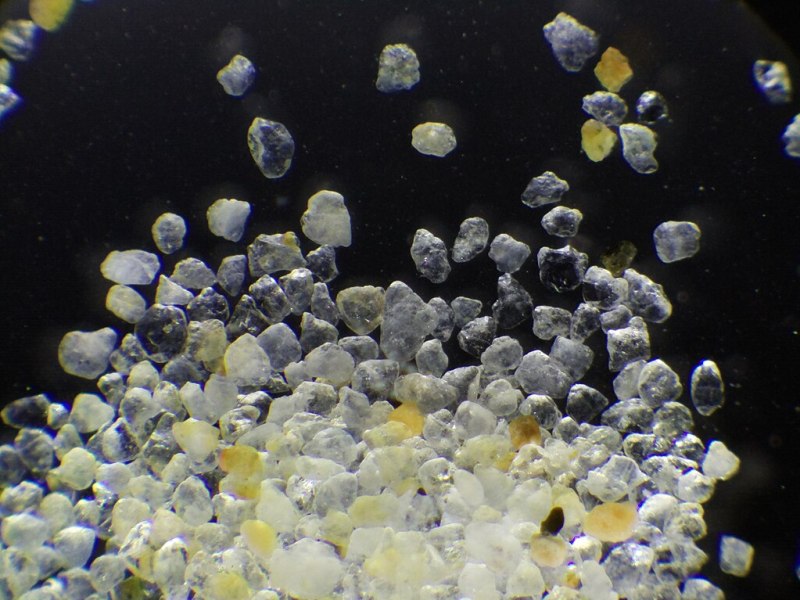
Developing a New Visual Model for Glass Particle Transfer
Glass particles are notoriously difficult to study since they are small and nearly invisible. A Dutch research group is using glow-in-the-dark sand to study glass particle transfer.
Continue reading Developing a New Visual Model for Glass Particle Transfer

Government scientists combat issues of forensic DNA interpretation with new reference standards
Modern problems require modern reference standards – and NIST is here to provide.


New method reveals if a silencer was used in a shooting
CSI examiners can determine many things with gunshot residue – but not whether there was a suppressor on the weapon. Now, scientists from Italy have shown that a subtle influence in the metal properties of GSR can indicate the presence of a silencer.
Continue reading New method reveals if a silencer was used in a shooting

Milk It for All It’s Worth: How Skim Milk Increases DNA Yield from Soil Samples
DNA is notoriously difficult to extract from forensic soil samples. Researchers investigate if adding skim milk can increase the recovery of DNA evidence.
Continue reading Milk It for All It’s Worth: How Skim Milk Increases DNA Yield from Soil Samples


Sink or Swim: Impact of Clothing Material to the Aquatic Necrobiome
The Post-Mortem Submersion Interval (PMSI) of an aquatic death is difficult to estimate from visible signs of decomposition alone. Researchers from Deakin University found a better way to estimate PMSI using bacterial composition as an indicator.
Continue reading Sink or Swim: Impact of Clothing Material to the Aquatic Necrobiome
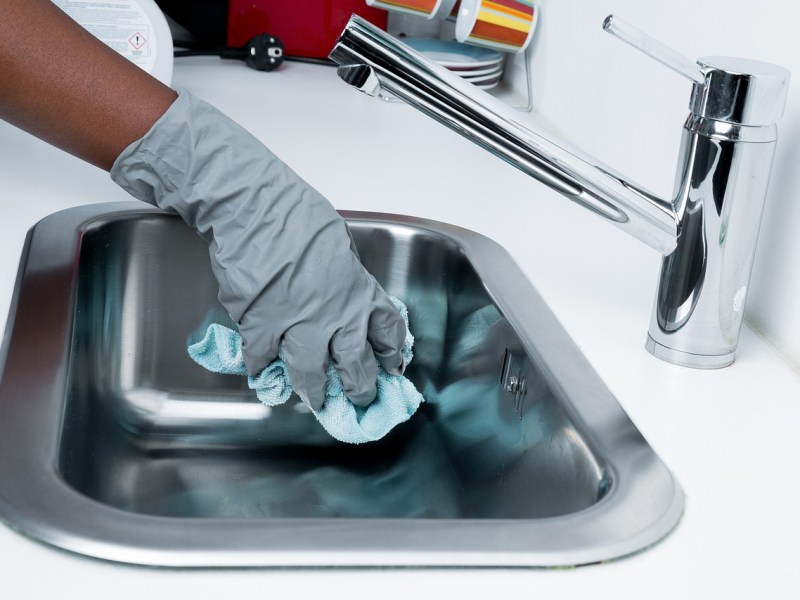
How do illicit drugs break down during crime scene cleaning: a story of meth and bleach
Once a crime scene has been released, crime scene cleaners come in to decontaminate the area. Although, their cleaning chemicals could be reacting with any drugs present – is that creating unsafe compounds for human health and the environment?

Overflowing with Information: Tracking Illicit Drugs in Amsterdam’s Sewers
Illicit drug use is a concern the world over and shows no signs of stopping its upward trends of usage. However, researchers in Amsterdam have developed a new quantitative method to track detailed drug use throughout the city.
Continue reading Overflowing with Information: Tracking Illicit Drugs in Amsterdam’s Sewers
Using Hair as an Indicator of Antidepressant Use Post-Mortem
Researchers searching for a way to track antidepressant usage from postmortem hair find that hair color influences drug retention more than time or length of hair.
Continue reading Using Hair as an Indicator of Antidepressant Use Post-Mortem
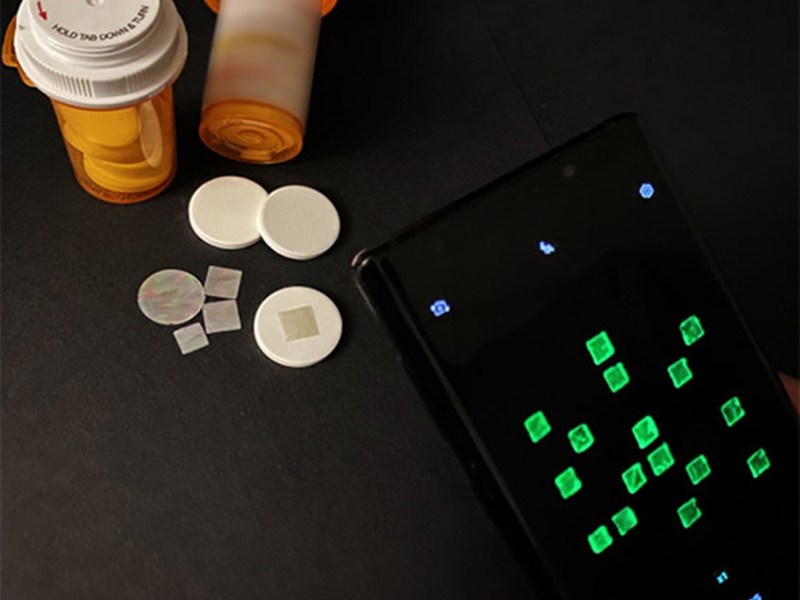
New research combats counterfeit medication with edible silk tags
Counterfeit medication poses a series threat to patient safety and public health. How can pharmaceutical companies guarantee their product is making it into patient hands? New work shows how companies can subtly mark their true products with edible silk “tags” inscribed with an invisible fluorescent code.
Continue reading New research combats counterfeit medication with edible silk tags

Faster Ways Of Making Paint Chips Tell It All
Researchers from the University of Central Florida determine a quicker way to use paint chip analysis for the investigation of vehicular crimes.
Continue reading Faster Ways Of Making Paint Chips Tell It All

 ForensicBites